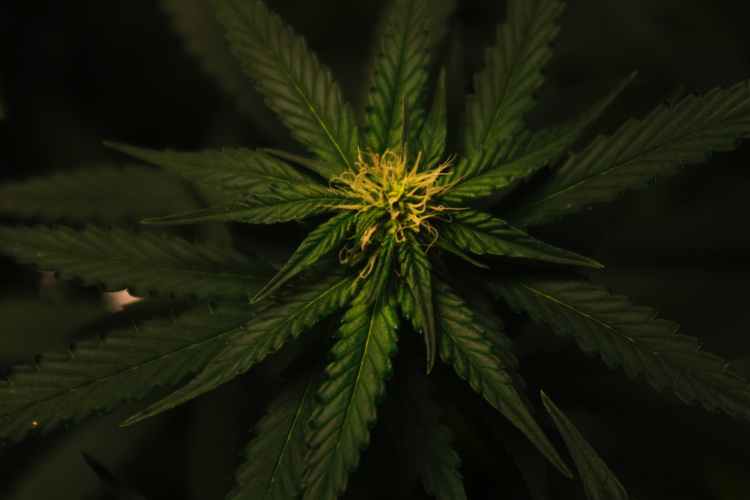
“In ancient Syria, they used Cannabis for essentially all the things that people use Cannabis for today…”
Dr. Raphael Mechoulam, 2019 International Cannabis Business Conference Keynote
Cannabis Sativa has been known for its countless benefits across hundreds of cultures throughout history. Though western science has had a late start in understanding these benefits for reasons that were politically motivated, its uses throughout history clearly show cannabis’ therapeutic properties.
The cannabis plant has had a considerable impact on life on Earth, having the keen sensibility to produce flowers and aromas that attract animals and insects to pollinate, as well as eat then defecate seeds. Through this process, seeds are dispersed and take root more readily as they fall. This relationship, called endozoochory or endozochorous dispersal, means that a plant has developed a relationship with animals by producing a fruiting body that surrounds the seed, providing a vital resource to the animal, or “disperser”. Cannabis is no different from other fruiting plants, as it attracts animal attention via placement, scent, color, and taste, providing a benefit that effects co-evolution over time. These benefits include altered mental and physical states that reduce stress response and ease inflammation.
In 1940, CBD was first isolated from cannabis and then promptly brushed off by western medicine off due to its lack of psychoactive properties. By 1964, chemist and the “father” of modern cannabis chemistry, Dr. Raphael Mechoulam, and Dr. Yechiel Gaoni isolated tetrahydrocannabinol (THC) for the first time, and determined that the psychoactive compound isolated in cannabis was known as Delta-9-THC. Mechoulam began studying their application in lab experiments with primates, and later human volunteers. Effects on volunteers ranged from increased openness in discussion, to heavy laughter, all the way to panic attacks and paranoia.
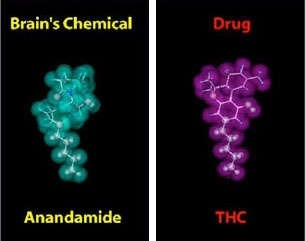
Through these findings he began uncovering the system responsible for these effects – the largest system of regulatory receptors in the human body known as the endocannabinoid system. This system actively modifies every other system that our bodies posses. In 1988, chemist Allyn Howlett, was able to locate a large mass of receptors in the brain that responded to the Delta-9-THC. In 1992, the same team of chemists discovered a self producing or endogenous cannabinoid resembling THC and CBD in the human brain, known as anandamide and 2-AG. These findings were groundbreaking. This is when applications of cannabis on biological life began to be studied more seriously by western doctors. Mechoulam’s discoveries have led to a wealth of clinical studies in western medicine today.
Today, cannabis remains a heavily debated and taboo topic. Historically, the playing field in the United States has not been level for every community when it comes to accessing this form of medicine, and has been actively stigmatized by the government. Communities of color have been the primary targets for police and state-sanctioned violence, strictly to approve the narrative that cannabis is a violent “gateway” drug. The primary example being the “War on Drugs” that began with President Nixon and appointed government entities like the National Institute on Drug Abuse (NIDA) and the Drug Enforcement Agency (DEA). Though 30 years prior, in 1944 Mayor Fiorello La Guardia of NYC published The LaGuardia report via the New York Academy of Medicine finding the opposite of what administrations have used to prosecute communities of color today.
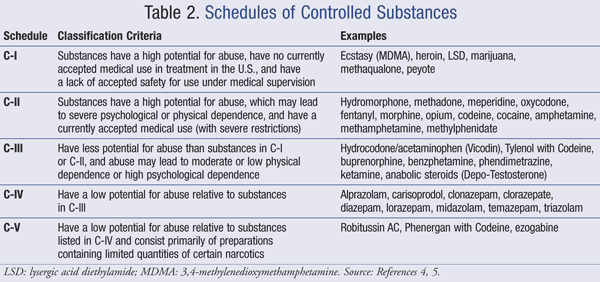
When NIDA began, enacted to study how cannabis was a harmful to humans, it was specifically prohibited from studying the medical benefit of cannabis. This link shows how NIDA speaks of cannabis’ ability to cause addiction. Even today, the language used to speak of cannabis by this agency leans on approving the ideas that cemented prohibition, i.e. physical cannabis addiction. The DEA was established to uphold a new federal statute regulating the manufacture and distribution of controlled substances such as hallucinogens, narcotics, stimulants, and depressants – The Controlled Substances Act (CSA) of 1970. Cannabis, under the CSA is a Class 1 Controlled substance having a “high potential for abuse” with “no accepted medical benefits”. Even though this makes possession/use of cannabis a federal crime, the US has 37 state approved cannabis programs. Over half of the people in jail for drug offenses are there for cannabis possession or use. That number is greater than all people in jail for violent crime. With communities of color being the targets of heavier policing, we know who is disproportionately effected. Today, racial disparities exist just as they did during prohibition.
These agencies served to reinforce “lawful” discrimination and targeting of people of color for government and corporate profit. This horrifying history has roots that are still active, even post-prohibition. In 1996 California passed Prop 215 or the “Compassionate Use Act of 1996“. This allowed patients with a valid doctors recommendation to possess and cultivate cannabis for personal medical use. This opened the doors for states to discuss their own avenues for Recreational or Medical cannabis legalization.
Now we find ourselves here in 2022, at the intersections of law, policy, and healthcare trying to make sense of it all. 37 states currently allow for the medicinal use of cannabis, and 18 of those are open for recreational sales to people 21+. But people are still in prison for using a plant with greater, healthier therapeutic application than opioids. Others are helping to write county and state policies with the proceeds from legal cultivation, seed to sale. Then, others still, like myself, are trying to ensure people in my community are not being taken advantage of by the growing corporate greed surrounding this plant.
This landscape is ever changing and ever expanding. It’s already been a bumpy ride so, hold on there’s much more to come!
 Keeper's Cannabis Coaching